What is slippage in crypto? It is the gap between the price you expect when you place an order and the price you actually pay, which opens up between placement and execution. The bid-ask spread is a separate, quoted gap.
Slippage is easier to judge once you know how orders are matched. The guide on how do crypto markets work covers that background. For the largest assets by size, see the top cryptocurrencies by market cap.
Spread and slippage are not the same cost
The most common mix-up is treating the bid-ask spread and slippage as one fee. They are different gaps, and you can face both on the same trade.
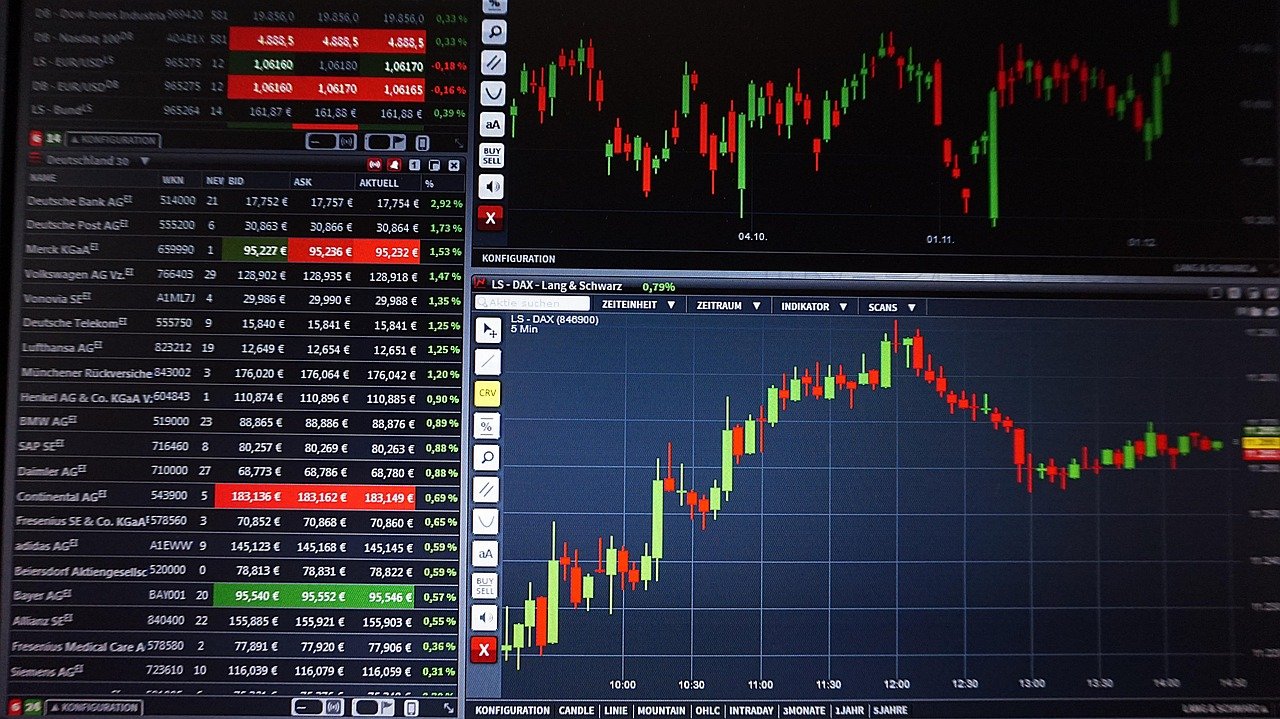
On an order book, buyers and sellers place orders at specific prices. Centralized exchanges operate these order book systems. The bid is the highest price a buyer is willing to pay, and the ask is the lowest price a seller will accept. The difference between them is the spread. A smaller spread indicates higher liquidity.
Slippage is what happens after you click. It is the difference between the price you expected and the price at which the order filled.
| Feature | Bid-ask spread | Slippage |
|---|---|---|
| What it measures | Difference between the highest bid and the ask price | Difference between the expected price and the executed price |
| What it says about the market | A wide spread indicates low liquidity and can make it hard to enter or exit positions | Tends to rise when the market is volatile, because the price may have moved before the order fills |
| Direction | A quoted gap between the two sides of the book | Can be negative (worse price) or positive (better price) |
| Planning use | Check it before you trade to gauge how liquid the market is | Allow for it when order size is large or the market is moving quickly |
Definitions follow ArbitrageScanner’s explanation of bid and ask and HyroTrader’s guide to slippage.
Slippage is not always a loss
A second misunderstanding is that slippage always costs you. According to HyroTrader, negative slippage means you get a worse price than you anticipated. Positive slippage means a better one. Both are the same mechanism, a price that differs from the one you expected.
Volatility pushes the odds towards a price move. The more volatile the market, the higher the probability that the price will have moved before your order is filled. Reading momentum on a price chart helps you judge how fast a market is moving. The guide on how to read crypto charts covers that.
Why market orders carry the most exposure
Market orders execute immediately at the best available price. That speed comes with maximum exposure to slippage, because you accept whatever the book or pool offers at that moment. The “best available” price is the best price at the start of the fill, not a guarantee for the whole order.
A worked example on an order book
Take a market buy for 1 BTC placed when the price shows $60,000. In HyroTrader’s example, the order fills at $60,050. The $50 difference is slippage.
A thinner market shows the effect more clearly. Venga describes a $10,000 buy of a mid-cap altcoin quoted at $1.00. The order fills at an average of $1.04, which is 4% slippage. The order consumed multiple price levels in the order book.
This is what “walking the book” means. Each price level holds only a limited amount of coin. A shallow book forces larger orders to walk the book and accept progressively worse prices. Order book depth therefore determines how much slippage occurs for different order sizes. The spread is only the first step. Depth decides what happens after it.
The same idea on an automated market maker
Decentralized exchanges such as Uniswap, SushiSwap and PancakeSwap have no order book. An automated market maker sets prices with mathematical formulas based on the ratio of tokens in a liquidity pool. Each swap changes that ratio, so each swap moves the price.
Larger trades relative to pool size, meaning the available liquidity, result in greater slippage. In practice, a swap that is small against the pool barely moves the price. The same swap in a thin pool can move it sharply. Venga’s explanation of how AMM pricing works gives the formula-based pricing basis. Pool-size effects work the way book depth does on a centralized exchange.
What slippage tolerance means on a swap
Slippage tolerance is a setting that tells the platform how much price deviation you are willing to accept. Xcoins describes it this way. If the price moves beyond that limit before the trade is confirmed, the swap does not go through.
Venga gives a concrete case. Setting tolerance at 1% means the transaction will fail if slippage exceeds that threshold. The setting works as a ceiling on the worst price you will take. It is not a forecast of the price you will get.
- A tight tolerance protects you from a bad fill. It also raises the chance that the swap fails when the price is moving.
- A loose tolerance makes the swap more likely to complete. It also means you have agreed in advance to accept a larger deviation.
Choose the number deliberately for each trade. Do not leave it unchecked from a previous swap. A thin pool or a fast market is a reason to review it before you confirm. Default values differ between interfaces, so read the figure shown on the swap screen rather than assuming it.
Why low liquidity makes slippage worse
Liquidity is how easily an asset can be traded without moving its price. When liquidity is low, there are fewer orders resting at each price. A wide spread indicates low liquidity and can make it hard to enter or exit positions. That is the warning sign visible before you trade.
Small coins are where the effect usually bites. The mid-cap example above shows the cost: a $10,000 order was enough to cross several price levels. Deeper books usually reduce slippage and spread, according to Mubite. A heavily traded pair therefore usually costs less to trade in size than a thin one.
Low liquidity and volatility compound each other. A thin book gives little room for a large order, and a moving market adds the chance that the price shifts before your order lands. Compare the order books for a major coin and a small token side by side before choosing a size.
Ways to reduce slippage on a trade
You cannot remove slippage from a market order, but you can limit it. The right choice depends on whether filling the trade or controlling the price matters more to you.
- Use a limit order when price matters most. A limit order specifies the exact price, or better, at which you are willing to buy or sell. It caps the worst price you accept, but the order will not fill if the market price never returns to your limit.
- Use a market order only when speed matters most. It fills immediately, at the cost of the greatest slippage exposure.
- Split large orders into smaller parts. Mubite lists this as a practical step. Smaller pieces are less likely to consume many price levels or move a pool’s price.
- Prefer deeper markets. Deeper books usually reduce slippage and spread, so check depth before sizing an order.
- Set swap tolerance with care. On a decentralized exchange, the tolerance you set decides the worst fill you will accept.
A limit order suits a patient trader who can live without the fill. A market order suits someone who needs to be in or out now and has checked that the market is deep enough for the size.
Frequently asked questions
| Question | Answer |
|---|---|
| Can slippage work in my favour? | Yes. Positive slippage gives a better price than expected, while negative slippage gives a worse one. |
| What happens if slippage exceeds my tolerance? | The swap fails. With tolerance at 1%, for instance, the transaction fails when slippage goes above that threshold. |
| Does a wide spread mean a coin is illiquid? | It points that way. A wide spread indicates low liquidity, and a smaller spread indicates higher liquidity. |
| Which order type is most exposed to slippage? | The market order, because it fills immediately at the best available price with maximum exposure. A limit order gives price control but may not fill. |